
Para apoiar nossa missão, este conteúdo pode incluir links de parceiros e afiliados. Nossas recomendações são sempre independentes e imparciais. Saiba mais.
Fazemos uso de imagens artísticas. Saiba mais.
Contents
Why Does a Metal Band Make So Many People Open a History Book?
In the history of Iron Maiden, meaning is the first question the name provokes. But the question pulls others in. Someone hits play on a band track, hears a gallop of horses or an air raid siren, and ends the night researching a battle, a date, or a name they had never seen before. The scene is merely a starting point, with no statistical pretense.
The short answer is that music does not replace history. What it does is return to an event a weight that a date alone cannot carry. A date informs. A sound restores the weight. This is the thesis of this article, and it comes with a warning, because emotional weight is proof of nothing.
The journey begins with the band's name and the legend that accompanies it. Then come three ways of using the past—cases of war, conquest, atomic fear, and literature—and finally a three-question reading method. Each stage separates what the song shows from what the documents allow us to state.

ACRUNI Key Takeaways
- 🏷️ The name is widely known, but its origin requires separating the literal translation, the legend of the torture instrument, and what the available documentation allows us to affirm.
- 🎼 The band uses the past in three ways: as an event that happened, as a myth that grows beyond the facts, and as a threat that can still return.
- ⚔️ War songs make visible the human experience of those who obey and wait, but leave out orders, numbers, and perspectives that only documents bring.
- ✈️ Music can recover an event that seems little remembered, like the crash of the R101, without replacing investigation done in independent historical sources.
- 🔍 Three questions help distinguish emotion, evidence, and omission, acting as a method for any song that presents itself as a gateway to history.
Iron Maiden, Meaning: The Name, the Monster, and the Legend That Demands Caution
The Name, the Translation, and the Doubt About the Instrument
Iron Maiden can be translated as donzela de ferro, and the name refers to a supposed torture instrument. The phrase is simple, but it carries three layers that are worth separating before moving forward.
The first is the literal translation. The second is popular tradition, which surrounded this object with stories. The third is the origin of the title of the song that bears the band's name, explained by Steve Harris.
In an interview with Rolling Stone in 2019, Harris said, when talking about the song "Iron Maiden", that the title comes from the name of a torture instrument in The Man in the Iron Mask. It is a retrospective account by the musician about the song's title, not historical proof about the instrument or the novel.
Sky HISTORY notes that there is no evidence that the device existed in the Middle Ages. Accounts, therefore, are not enough to prove that the machine was used as the legend describes.
This fragility does not weaken the name. An image gains symbolic strength even when its factual origin is fragile, and the band inherited precisely that kind of image—heavy, metallic, and open to various readings.
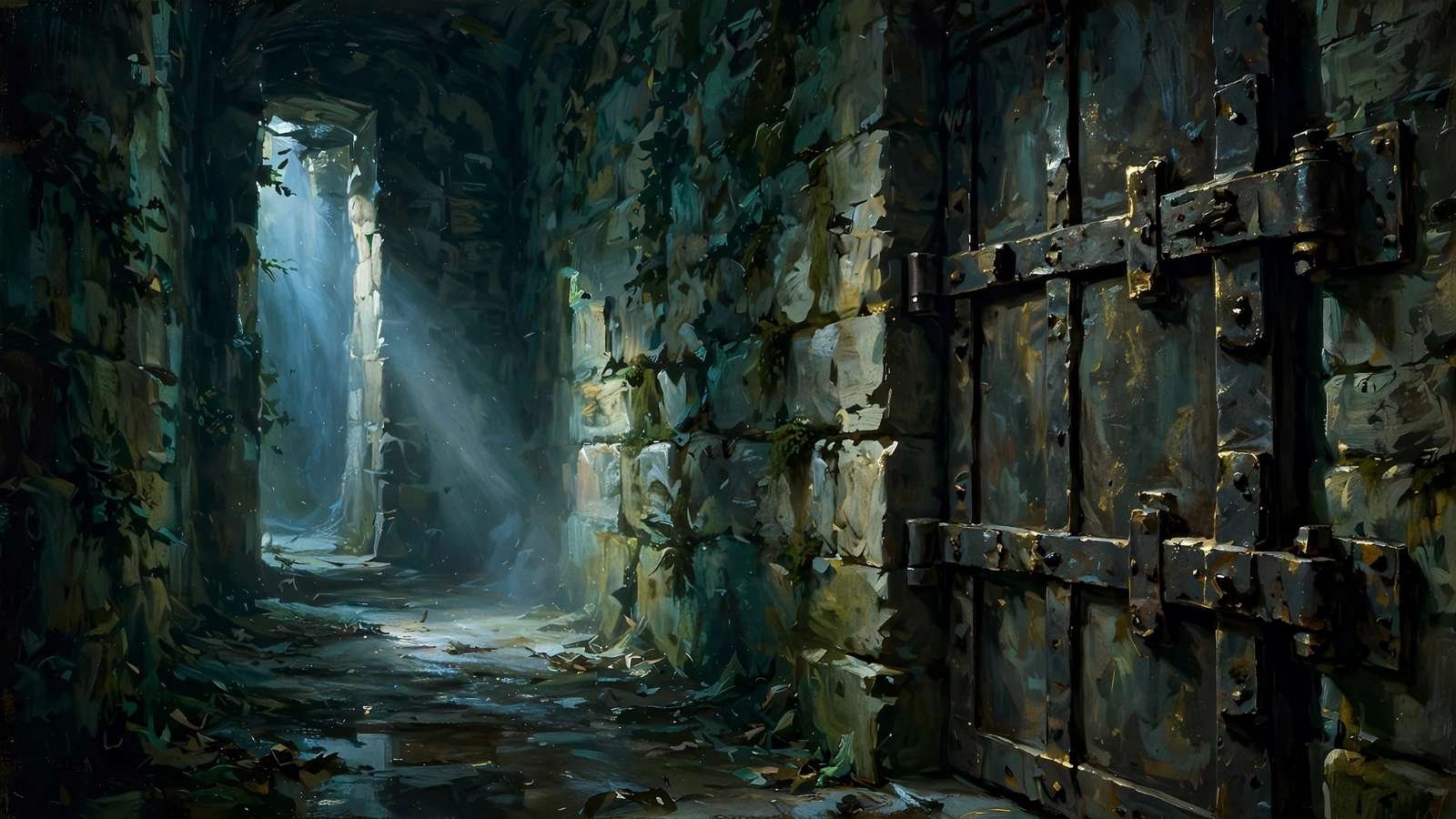
Eddie, From Stage Mask to Cover Character
Eddie is the most visible gateway to the band's universe, and here he enters merely as that. The character changes eras according to the moment the music evokes, and therefore functions as a visual archive, a record of the phases in which the past was called to the stage.
According to an account by Louder Sound, the first form of the character was a papier-mâché mask attached above the drum kit. A simple stage object turned into a cover figure, and this transition from improvisation to symbol already indicates how an image can last longer than its origin.
Historical Songs? Three Ways the Band Uses the Past
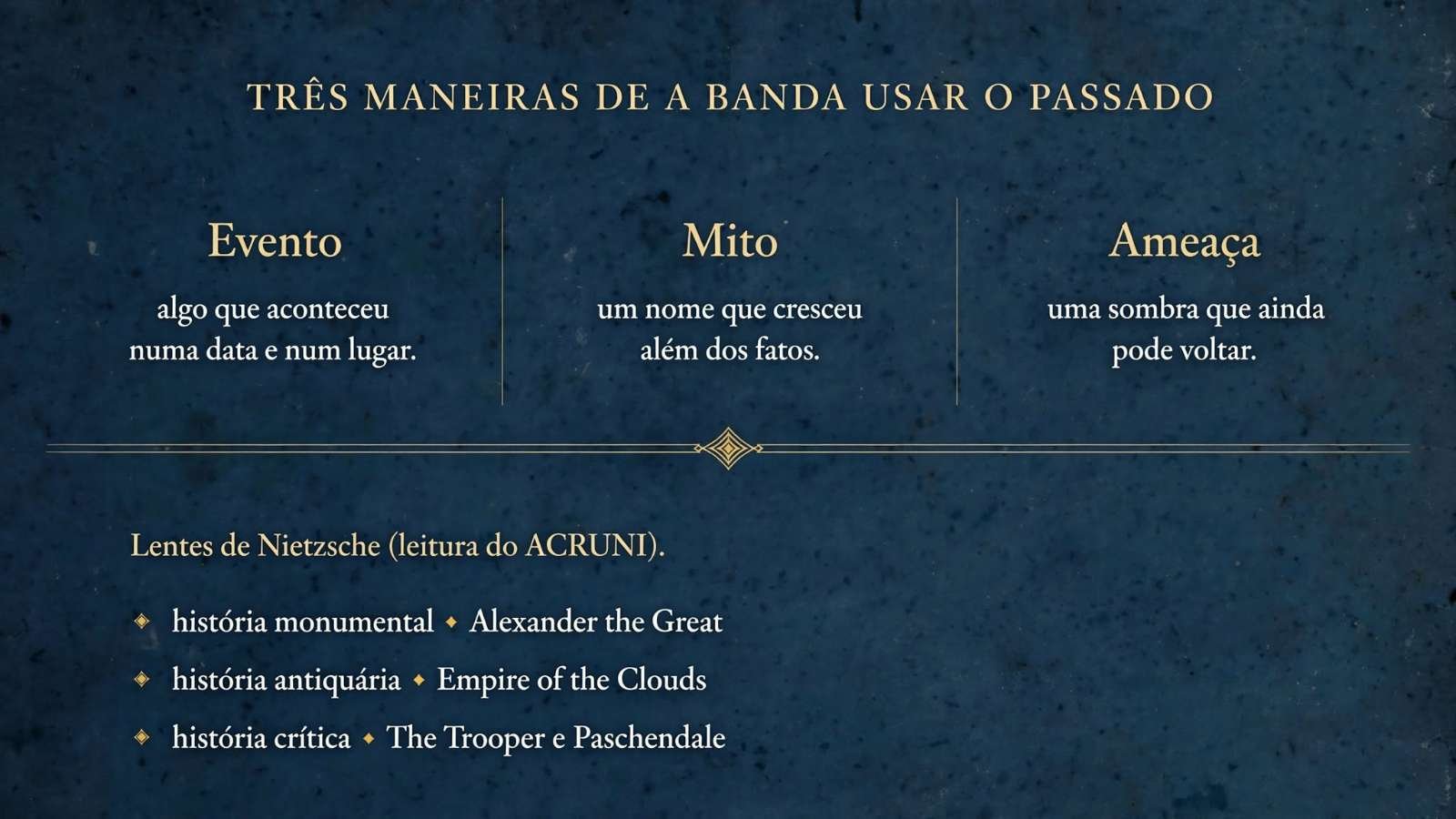
Iron Maiden uses the past in three intersecting ways. Sometimes it is an event, something that happened on a date and in a place. Other times it is a myth, a name that grew beyond the facts. And there are songs in which the past is a threat, a shadow that can still return.
To organize these relationships, the article turns to Friedrich Nietzsche. In On the Use and Abuse of History for Life, from 1874, the philosopher distinguishes a monumental, an antiquarian, and a critical method of dealing with the past. Nietzsche enters here with a precise function: to order the way someone relates to what has already passed.
The division has practical use. Broadly speaking, monumental history erects figures and deeds as examples, antiquarian history guards and venerates what was left behind, and critical history brings the past to trial. Each modality asks a different question of the same song.
The associations that follow are lenses proposed by ACRUNI, not Nietzschean classifications or intentions declared by the band. Alexander the Great can be read as monumental history, Empire of the Clouds as antiquarian, and The Trooper and Paschendale as critical. These are reading bets, open to the listener's disagreement.
Reading songs through lenses is not an exclusive exercise of this article. Some apply the same gesture to the soul of an entire generation, and the book From Utopia to Authenticity does so with four lenses to read rock lyrics between 1965 and 1995, from utopia to vulnerability.
When War Is Felt From Within
The Trooper and the Gallop of 1854
At Balaclava, in 1854, a written order set the British cavalry in motion. According to the National Army Museum, which reproduces the contemporary text attributed to Lord Raglan, the order requested that the cavalry advance rapidly to the front. Out of it came the Charge of the Light Brigade, with 673 men, according to the same page.
The Trooper is the fifth track of Piece of Mind and lasts 4 minutes and 10 seconds, according to the official discography. In that short time, the song delivers speed and action. The listener feels the gallop, the dust, the closing line. What it does not deliver is the path of the order, from the one who wrote it to the one who carried it out. Steve Harris told Rolling Stone that the song starts from the idea of someone receiving an order to fight, something that, at that time, was not questioned.
The song leaves a question hanging. Who answers for an order—who drafts it, who transmits it, or who executes it? Obedience and the chain of command operate as human mechanisms, made of habit, fear, training, and trust in those in charge.
The music shows the gallop. The document shows the order. Only reading both together reveals the gap between them, and it is in that gap that the question fits.
The order has been given. The horse advances, the metal cuts the air, and the rhythm turns distance into urgency. For a few minutes, the viewer stops observing the charge from afar and begins to follow its movement from within. But when the sound ends, the question remains. Who put those men on that path?
The live performance of The Trooper brings the body closer to the experience history records. It does not replace the document. It makes the listener want to return to it.
1854, the written order
At Balaclava, a written order set the British cavalry in motion. According to the National Army Museum, which reproduces the contemporary text attributed to Lord Raglan, it requested that the cavalry advance rapidly to the front. The order is kept in a museum, and it is through it—and not the song—that the episode can be verified.
673 men and a number
Out of it came the Charge of the Light Brigade, with 673 men, according to the same page. The number is a data point, and a data point informs. What did each of them know about the order they were fulfilling? The number does not answer, and it is in that question that the song begins to run.
Who receives the order
Steve Harris told Rolling Stone that the song starts from the idea of someone receiving an order to fight, something that, at that time, was not questioned. It is the author's reading, given decades later, not historical proof. It places obedience at the center of the track, and obedience is a human mechanism before it is an episode.
What the track does not deliver
The track lasts 4 minutes and 10 seconds, according to the official discography, and delivers speed and action. It does not deliver the chain of command nor what came after the gallop. Anyone who wants the whole story needs to leave the music and open the documents, and that is what it serves as—a gateway.
Paschendale and the Mud That Turned Into Sound
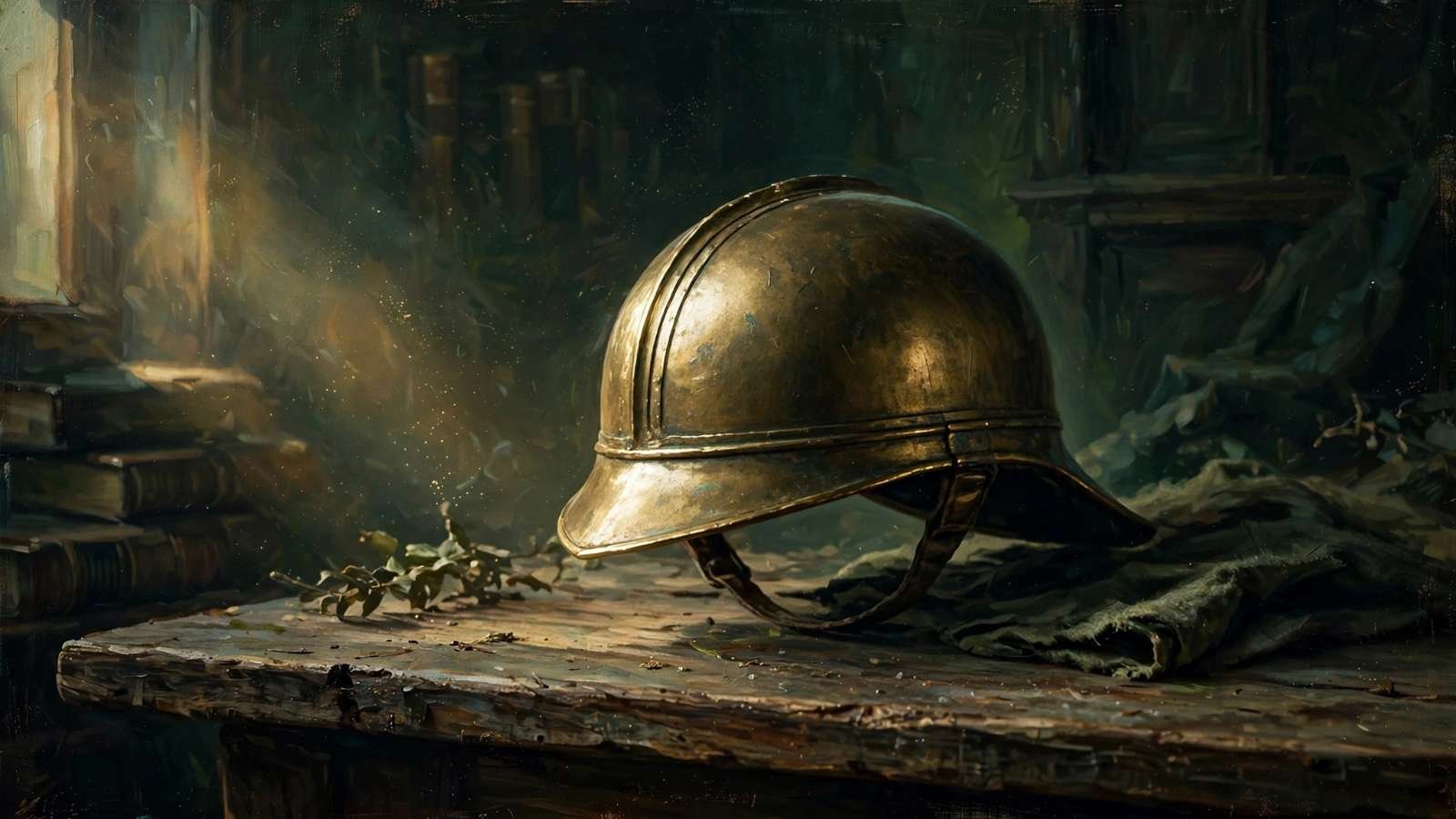
The Passchendaele offensive began on July 31, 1917. According to the Canadian War Museum, incessant rain and bombardment reduced the battlefield to an immense swamp. The place name became a synonym for mud and mass casualties.
The band spells it Paschendale, a spelling different from the one appearing on maps, Passchendaele. The track is the eighth on Dance of Death, credited to Smith and Harris, and lasts 8 minutes and 27 seconds, according to the official discography. The spelling difference is minor.
The music builds anticipation through intensity contrasts, with passages that restrain themselves and passages that explode. This construction can be read through the idea of narrative transportation, by Melanie Green and Timothy Brock, published in 2000, which describes absorption into a story through images, affect, and attention focus. Applying it to the song is a hypothesis.
Emotional involvement, historical curiosity, and verifiable knowledge are distinct outcomes. The mud the listener imagines may lead them to look up the battlefield account, or it may leave them only with the sensation. Only the historical record sustains what happened there.
Aces High and the Sky of 1940
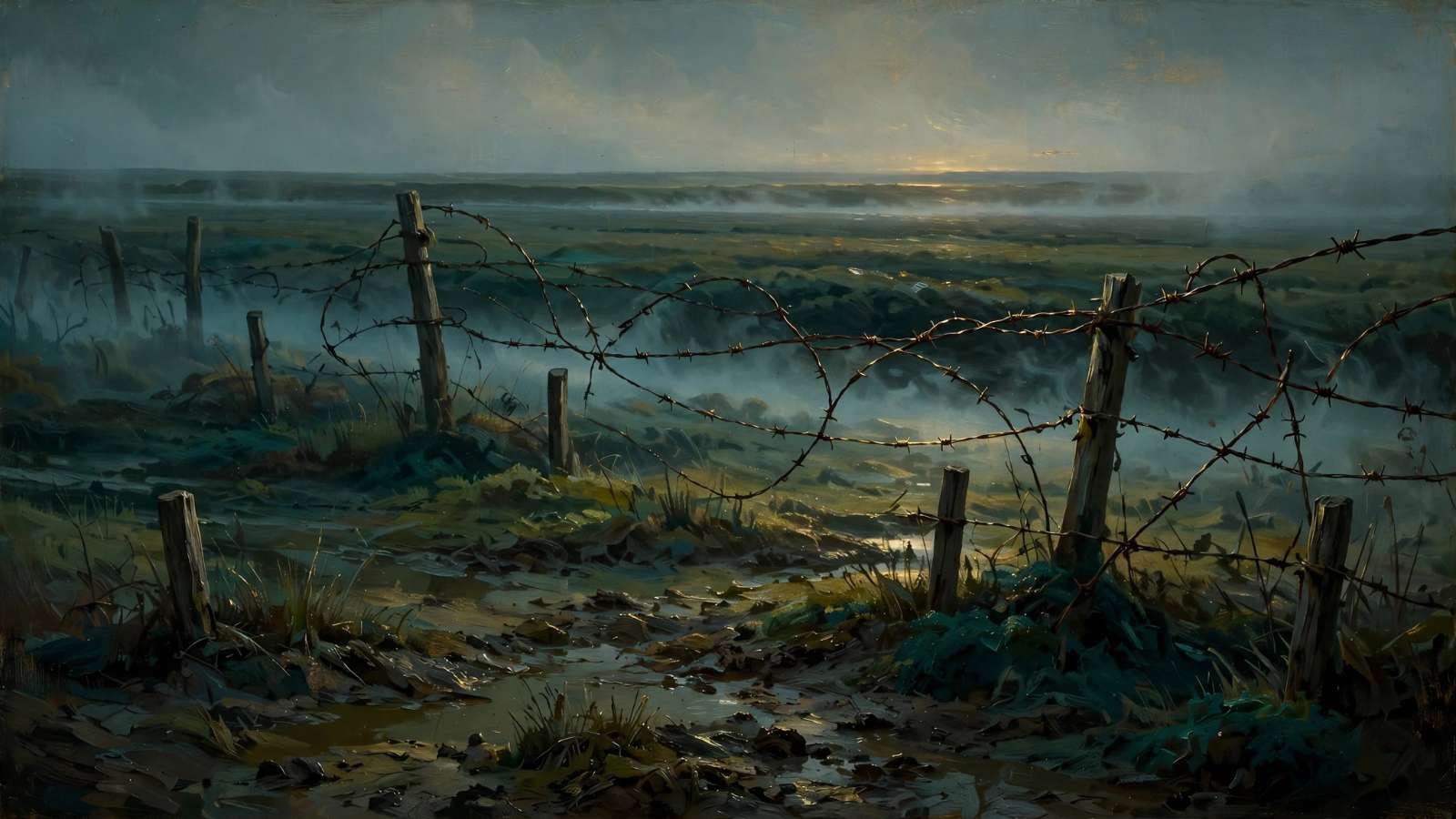
The Battle of Britain was an air campaign fought over southern England between July 10 and October 31, 1940, according to the Imperial War Museums. It exists without the song, in records and accounts, and it is through them that it must be understood.
Aces High is part of Powerslave, running 4 minutes and 31 seconds. On the live album Live After Death, the official discography lists a separate intro before the track, featuring Churchill's speech. The record does not prove that every performance uses that speech. It records a stage gesture that brings Churchill's name into the show.
Does the song exalt heroism or merely describe it? The ambiguity exists. The narrative follows the pilot in action, with urgency and pride, and does not make clear whether there is critical distance. Recognizing the doubt is worth more than fabricating a categorical answer.
Maurice Halbwachs, in The Social Frameworks of Memory (1925), treated memory as something sustained by social frameworks. The concept can serve as a lens for the repetition of shared references at shows. It is an interpretive application, not a demonstrated effect. Every time the crowd recognizes the intro, the past can gain a collective rehearsal.
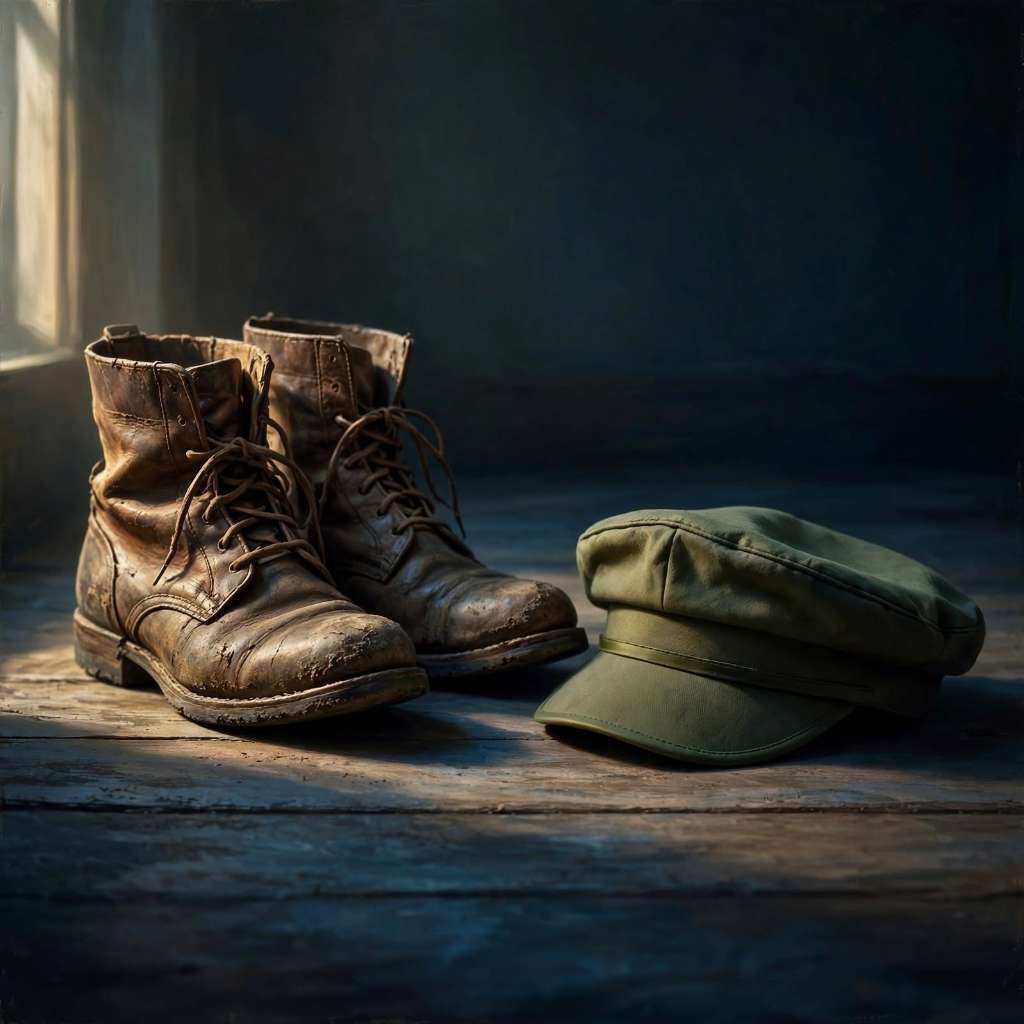
A song can lead the listener to the edge of the trench, but it almost never accompanies them after the gallop ends. What stays off-field is the common man—the one who obeys, waits, and carries what he saw for the rest of his life.
There are books that begin where the music falls silent. A novel does not replace the document, and this article does not present it as proof. It offers something else: the chance to feel the weight of the order from within, and to return to the sources with a sharper question.
Empires, the Defeated, and the Conqueror's Vanity
Run to the Hills and the Inverted Perspective
The song begins on one side and ends on another. In the first verse, according to researcher Caitlin McAlister in a thesis from the Pennsylvania State University, the voice is that of a Native American. Later the narrative shifts camps, and the speaker becomes the one advancing over the territory.
This inversion asks a question about who writes the accounts of a conquest. For a long time, the record remained in the hands of the victors, and the voice of the defeated arrived filtered. By switching sides within the same track, the music exposes the choice and lets the listener realize that every account has a narrator.
The colonization of North America involved many peoples, with different languages, alliances, and destinies. The expression Native American covers this variety under a single label, and the song does not name the specific people speaking. Saying more than that would be filling the silence of the lyric with guesswork.
Giving voice to the defeated also simplifies. A single verse condenses decades of violence into a scene, and a scene cannot hold all perspectives. The track corrects one silence and creates another, and the listener's job is to notice both.
Alexander the Great, the King the Band Took 37 Years to Play Live
Alexander the Great is the eighth track of Somewhere in Time, credited to Harris and clocking in at 8 minutes and 35 seconds, according to the official discography. It summarizes the life of a king in just over eight minutes. The article reads it as an example of monumental history, treating the king as a myth.
Summaries choose what to show and what to silence. A life of conquests fits into a song because the song leaves out what does not serve the figure—the captured cities, the soldiers, the cost. The monument is made of cuts, and whoever contemplates it rarely sees the stone that was removed.
The track took about 37 years, counting calendar years between the 1986 album and 2023, to reach the stage. The live debut took place in Ljubljana on May 28, 2023, according to setlist.fm records. The wait ended that night. What remained was the king, who continues to be more legend than biography.
Powerslave, the Pharaoh Facing the Final Deadline
Regarding Powerslave, a feature by Mick Wall published in LouderSound in 2024 attributes to Bruce Dickinson the explanation that the album also reflected the band itself, power, and the pursuit of success. According to the author of the piece, the ancient Egyptian god-kings served as a metaphor for this moment experienced by the group.
Reducing the theme to the pharaoh's mortality would mean missing this point. The theme here is the vanity of power in the face of a limit it does not govern. One possible reading is that the god-king, at his peak, builds for eternity precisely because the final deadline does not obey him.
The Clock and Atomic Fear
2 Minutes to Midnight: What the Title Says and What the Hand Pointed To
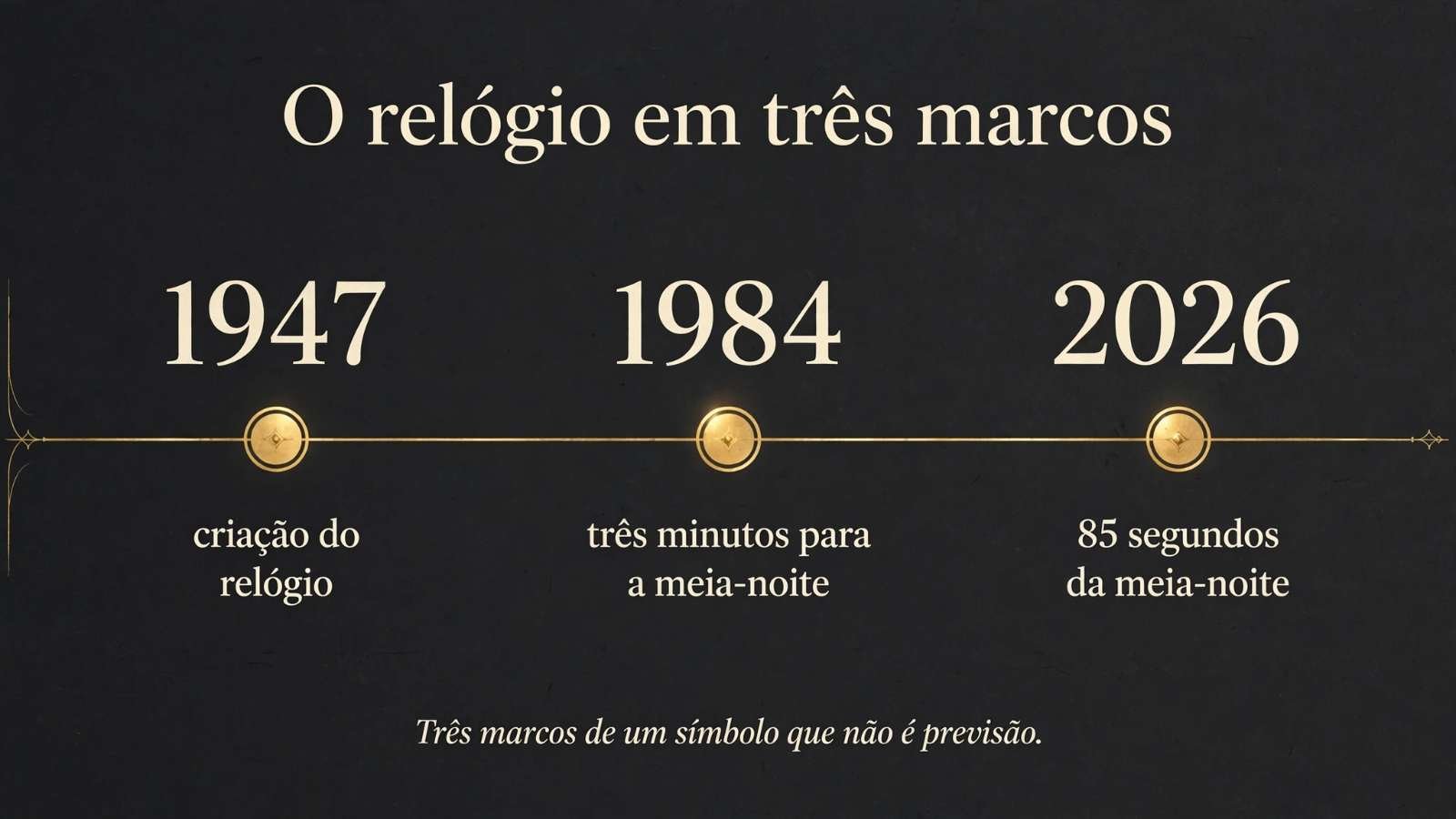
The Doomsday Clock is a symbolic indicator. According to the Bulletin of the Atomic Scientists, it is a metaphor and a warning about dangers that must be faced, not the literal prediction of a countdown. According to the Bulletin's own chronology, the clock first appeared on the publication's cover in 1947.
It is worth separating the song's title from its release year. The single 2 Minutes to Midnight came out on August 6, 1984, according to the band's official website. That year, the clock read three minutes to midnight. The Bulletin's chronology records two minutes to midnight in 1953.
Günther Anders offers a lens for this kind of fear. In The Antiquatedness of Human Beings (1956), he formulates the Promethean discrepancy—the distance between the power to make and the ability to imagine what is made. Imagination lags behind technique. The approximation to the song is a possible reading, not an analysis by the philosopher.
Fear chooses its images because disaster itself cannot fit into anyone's head. A hand, an hour, a count of minutes. The song's title uses a count that evokes this vocabulary, and it is through images like this that a hard-to-conceive danger becomes something one can sing about.
But the hand does not measure who was on the other side of it. When disaster turns into a symbol, the names are left out.
There are books that give the names back. An account by survivors does not explain the clock or the song, but it recalls what the symbol tends to erase: common life in the face of what technique did.

What the Clock Marks in 2026 and What It Does Not Predict
On January 27, 2026, the Bulletin of the Atomic Scientists adjusted the clock to 85 seconds to midnight, the shortest distance announced up to that moment. The information is taken from the Bulletin's own statement, consulted on October 22, 2026.
The timeline fits into three milestones. In 1947, the clock is created and appears on the cover. In 1984, it marks three minutes. In 2026, it marks 85 seconds. Three dates are enough to show the direction of the hand, but not to say what will come.
The symbolic proximity of midnight is not a prediction of disaster. It is a warning, in the Bulletin's own terms. That is why the 1984 song remains readable in 2026 without turning into an alarm. It can be re-read as a record of period fear, and a record of that type does not need to be a prophecy to be taken seriously.
Literature as a Bridge
The Evil That Men Do and the Phrase About What Survives
The title of The Evil That Men Do comes from Shakespeare's Julius Caesar. In Act 3, Scene 2, according to the digital edition of the Folger Shakespeare Library, Mark Antony says that the evil men do lives after them. The band took this theatrical phrase and brought it to a stadium stage.
A publication on Shakespeare in popular music notes an echo of the formulation in the chorus, but does not claim that the rest of the lyrics develop the play's argument. The title borrows the phrase, and the song follows its own path.
Even so, the title functions as a bridge between scholarly tradition and mass performance. Whoever reaches the song through it can reach the play, and whoever reaches the play finds a character using memory as a weapon of discourse. The bridge exists, but only those who cross it know what is on the other side.
Rime of the Ancient Mariner and Guilt in Thirteen Minutes
Coleridge's poem has circulated since 1798, according to a UFSC publication on the Brazilian Portuguese edition. The Powerslave track lasts 13 minutes and 45 seconds, according to the band's official discography. A sailor, guilt, and a crossing occupy nearly a quarter of an hour of record.
Why does the image of carried guilt become necessary again? The old mariner does not explain what he did as a court would explain it. He repeats the story to whoever crosses his path, and the repetition is the punishment. The music reinforces this movement with passages that advance, retreat, and return to the starting point.
Empire of the Clouds is also a long narrative, but with another function. The Mariner carries guilt in the form of a fable. The R101 song reconstructs an episode with a date and a place. Duration, musical density, and historical depth are different properties, and the impression of weight a track causes does not decide, on its own, how much it documents.
Empire of the Clouds, Oblivion Also Has 18 Minutes
The R101 left Cardington on October 4, 1930, heading for Karachi, then part of India. According to the UK Parliament, the airship crashed the following day, October 5, after test flights, and 48 of the 54 people on board died.
The RAF Museum describes it as the largest airship in the world. Louder Sound records that the track retells the tragedy of the R101, and quotes Dickinson calling it a story of ambition and dreams.
Bruce Dickinson's song, credited to him in The Book of Souls announcement sheet, lasts 18 minutes and 1 second. The album was announced in June 2015 for release in September. Transforming a 1930 disaster into a composition of nearly twenty minutes was an authorial decision, and the music executes it without asking permission from the documents.
Nietzsche offers a lens here: antiquarian history, which guards and venerates what was left behind. The association is ACRUNI's, not a declared intention of the composer. One possible reading is that the track functions as a sonic reliquary, a place where a little-remembered episode can be taken.
Almost no one talks about the R101 in casual conversation, and that is an editorial impression, not a data point. What does music do with a past like that, almost erased? It can produce emotional involvement, which is one thing. It can awaken curiosity, which is another. Verifiable knowledge only comes when the listener goes after the institutional account and the accident record.
ACRUNI Test: When Music Teaches and When It Only Decorates
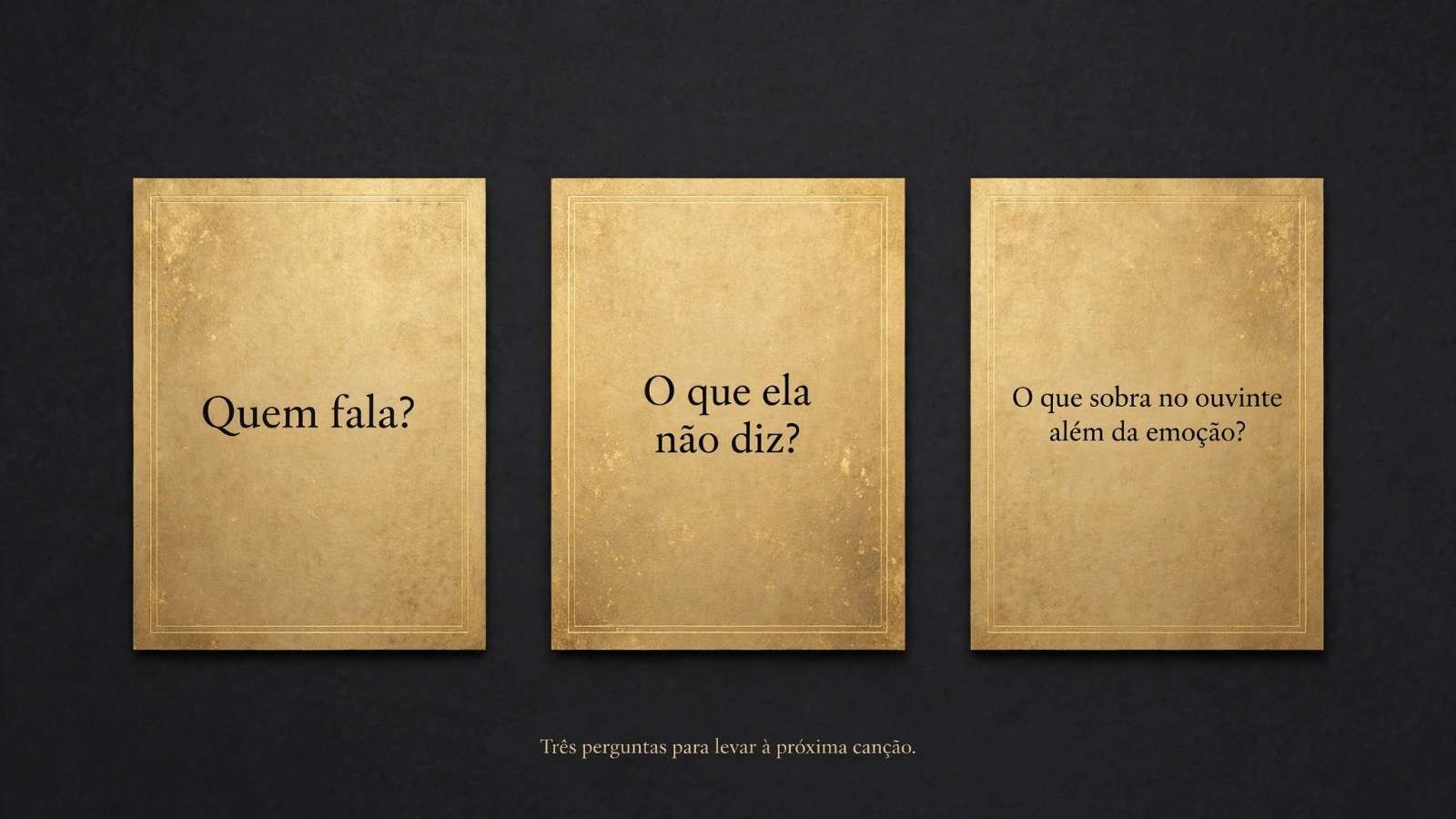
The method fits into three questions. They serve for any song that presents itself as a gateway to the past, and music remains a doorway, never a complete historical source.
Who speaks? In The Trooper, the narrator is a cavalryman in the charge, and the listener sees the field through his eyes. The order that put him there appears in documents, not in the lyrics. In Run to the Hills, the voice changes sides, and the narrator ceases to be the historical character to become the storyteller of the conquest.
What does it not say? The Trooper does not show the chain of command, only the speed. Run to the Hills does not name the people speaking, and a verse cannot hold the variety of those who lived through that war. Empire of the Clouds does not replace the accident report with its data and dead. Each omission is a clue of where to look.
What remains in the listener beyond emotion? A place name, a date, a doubt, a desire to open a book. Or nothing, just the feeling passing by. Emotion is the beginning of the journey. Documentary evidence, context, and well-asked questions are what remain after the sound ends.
Conclusion
A date informs. A sound restores weight. The band can bring the listener closer to the past, and that is its merit, but closeness requires distrust. Whoever feels a battle in the guitar still does not know who gave the order, who was left out of the lyrics, and what the archives keep.
The past only remains when it is felt again, and feeling does not dispense with verification. Both tasks require the same listener: the one who is moved and then checks the facts.
Think of someone with headphones on, a song ending, and a book still closed on the table. Their question—who speaks in this music?—is the first step.
FAQ: Questions That Still Persist
Why does Iron Maiden write so many songs about history?
The most direct answer comes from Steve Harris himself. In 2019, he told Rolling Stone that he grew up loving history, one of his favorite subjects in school, and that many of the band's war songs stem from that fascination. The division into event, myth, and threat is a reading of this article, not a declared intention by the musicians.
Does the name Iron Maiden really come from a torture instrument?
There is an account, not proof. Steve Harris told Rolling Stone that the title of the song "Iron Maiden" comes from the name of a torture instrument in The Man in the Iron Mask. He is talking about the song, not the band's name. Sky HISTORY notes that there is no evidence the device existed in the Middle Ages, so the legend remains stronger as an image than as a fact.
Does "Paschendale" contain real Morse code?
Aural similarity does not prove a decodable message, and the question remains unconfirmed. Any hidden message would be a hypothesis, not a fact.
Has Iron Maiden ever played "Alexander the Great" live?
Yes. The live debut of the track took place in Ljubljana on May 28, 2023, according to setlist.fm records. The song is from Somewhere in Time, a 1986 album, so the wait for that moment ended that night. The question about its absence from the stage was therefore put to rest.
If a song restores the weight of a time you never lived, who guarantees that weight is true?
The gallop of a song convinces before the record arrives, and emotion tends to be faster than proof. Between feeling the past and understanding it lies an uncomfortable territory that few cross. In the ACRUNI newsletter, we delve deeper into these questions with science, history, philosophy, human behavior, and cultural analysis, without easy answers.
JOIN THE ACRUNI CIRCLEACRUNI Decoder: The Glossary of Iron Maiden's Meaning
| Concept | Application and Definition |
|---|---|
| Monumental history | A way of dealing with the past that erects figures and deeds as examples, according to Nietzsche's division, applied here as a lens. |
| Antiquarian history | A way that guards and venerates what was left behind, used in this article to read the song about the R101. |
| Critical history | A way that brings the past to trial, applied here to The Trooper and Paschendale as an ACRUNI reading proposal. |
| Narrative transportation | Absorption into a story through images, affect, and attention focus, a concept by Green and Brock. |
| Collective memory | Remembrance sustained by shared social frameworks, an idea by Halbwachs used to read the repetition of references at shows. |
| Artistic license | A song's freedom to summarize, cut, and reinterpret facts, without the obligation to document the event in full. |
| Doomsday Clock | A symbolic indicator of the Bulletin of the Atomic Scientists, defined as a metaphor and warning, not a literal prediction. |
Credits and Sources
Original Documents and Records
- NIETZSCHE, Friedrich. On the Use and Abuse of History for Life. Untimely Meditations. Digital copy hosted by the University of Texas at Austin, 1874.
- AIREY, Richard. Battle of Balaklava. Order reproduced by the National Army Museum.
- IRON MAIDEN. Official website. Piece of Mind | Dance of Death | Live After Death | Somewhere in Time | Powerslave | Maiden Vinyl Facts, Part 2 | New Iron Maiden studio album The Book of Souls, Jun 18, 2015 (announcement of The Book of Souls).
- SCIENCE AND SECURITY BOARD, Bulletin of the Atomic Scientists; editor: John Mecklin. 2026 Doomsday Clock Statement (It is now 85 seconds to midnight). Bulletin of the Atomic Scientists, Jan 27, 2026. Accessed on: Oct 22, 2026.
- HALBWACHS, Maurice. Les cadres sociaux de la mémoire. Paris: Librairie Félix Alcan, 1925. Electronic edition of Les classiques des sciences sociales.
- ANDERS, Günther. Die Antiquiertheit des Menschen. Über die Seele im Zeitalter der zweiten industriellen Revolution. München: Verlag C. H. Beck, 1956.
Academic Studies and Institutional References
- GREEN, Melanie C.; BROCK, Timothy C. The role of transportation in the persuasiveness of public narratives. Journal of Personality and Social Psychology, 79(5), 701–721, 2000.
- CANADIAN WAR MUSEUM. Passchendaele. Canada and the First World War.
- BULLETIN OF THE ATOMIC SCIENTISTS. Doomsday Clock Timeline | Doomsday Clock.
- SHAKESPEARE, William. Julius Caesar, Act 3, scene 2. Digital edition of the Folger Shakespeare Library, Jul 31, 2015.
- UK PARLIAMENT. The Flight to India. Living Heritage.
- IMPERIAL WAR MUSEUMS. The Battle of Britain.
- McALISTER, Caitlin. Heavy Metal Historiography: Historical Subject Matter in the Music of Iron Maiden. The Pennsylvania State University, May 2020.
- UNIVERSIDADE FEDERAL DE SANTA CATARINA. A Balada do Velho Marinheiro multilíngue. DLLE/CCE/UFSC, 2018.
- ROYAL AIR FORCE MUSEUM. Memorial of a Disaster. RAF Museum Collections.
Reports and Specialized Publications
- GROW, Kory. Iron Maiden’s Steve Harris Unpacks the Legacy of the Beast. Rolling Stone, Jul 17, 2019.
- SETLIST.FM. Iron Maiden Setlist at Arena Stožice, Ljubljana. May 28, 2023. Accessed on: Oct 22, 2026.
- WALL, Mick. “Everything up to then had been about climbing the mountain. With Powerslave it felt like we were looking out over the rest of the world”: How Iron Maiden grew up. LouderSound, Apr 17, 2024. Statement by Bruce Dickinson reproduced in the piece.
- SHAKESPEARE IN POPULAR MUSIC. Iron Maiden, “The Evil That Men Do” from “Seventh Son of a Seventh Son” (1988). May 24, 2016.
- SKY HISTORY. The Iron Maiden: Medieval torture device or modern myth?
- LOUDER SOUND. “Part supernatural, part primal, part aggressive adolescent, he’s a super anti-hero.” How Iron Maiden's Eddie went from a blood-spewing mask on a drumkit to metal's most iconic mascot. Oct 22, 2025.
- LOUDWIRE. Iron Maiden Play ‘Alexander the Great’ Live for First Time Ever. May 28, 2023.
- WISCONSIN PUBLIC RADIO. Doomsday Clock Tracks Humanity’s Many Movements Toward Oblivion. Accessed on: Oct 23, 2026.
- HENNE, Bruce. Iron Maiden prepare epic Record Store Day release. Louder, Mar 12, 2016.
Legal Appendix
Copyright and Fair Use
This article does not reproduce song lyrics, album covers, logos, or the band's mascot. The accompanying images were created for this article. References to the music appear in paraphrase and critical analysis, and rights to the works and materials cited belong to their respective holders.
Audiovisual Content
The video embedded in this article is a live performance of "The Trooper", published on Iron Maiden's official YouTube channel.
The videos embedded in this article are played directly via the official YouTube player.
ACRUNI does not host, reproduce, or redistribute these files on its own servers. Copyright and other rights to each audiovisual material belong to their respective creators, producers, or legal holders.
Intellectual Property
© 2026 Entre Letras & Destino | Portal ACRUNI.
All rights reserved. The editorial content of this article, including text and structure, is the intellectual property of Portal ACRUNI.
Total or partial reproduction without prior written authorization is prohibited.